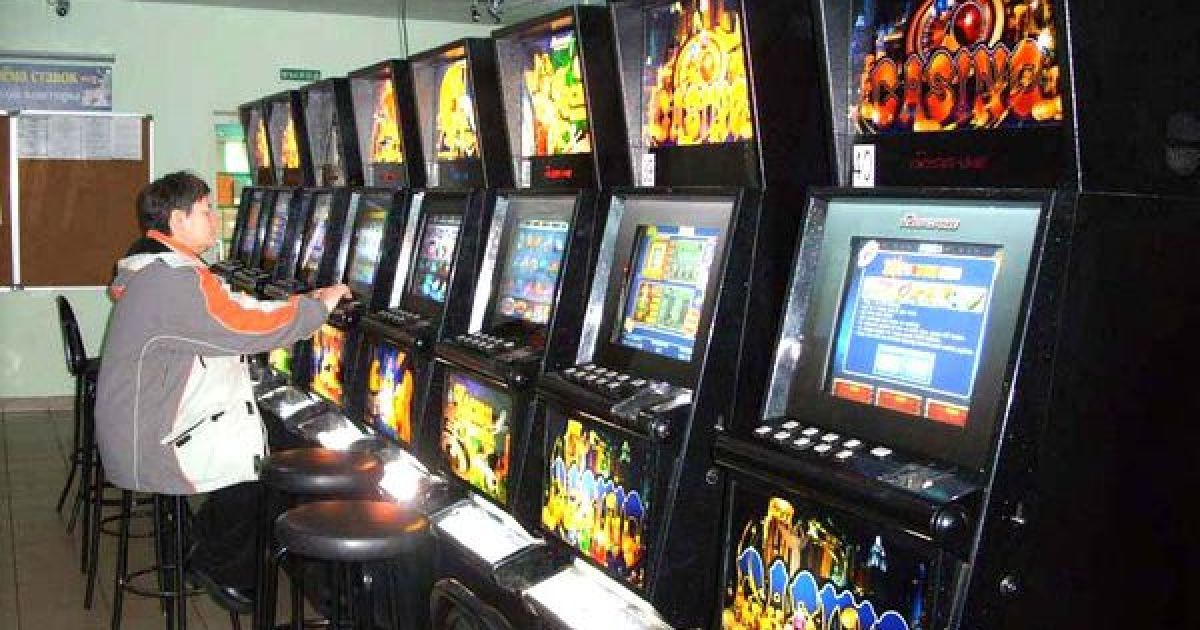
Three Months With Card-Payout Slot Machines What Left Me Skeptical
Every time I watch someone at a casino eagerly swipe their card after a win, I wonder if they’ve noticed the same patterns I have. Over the past three months, I’ve spent my fair share of time playing slot machines with cash withdrawals to a card, and what started as a convenience has left me deeply skeptical. While these systems promise faster payouts and a cashless gaming experience, they come with hidden drawbacks that can significantly impact your bankroll and behavior. This article breaks down what I’ve observed—step by step—so you can navigate these systems more mindfully.
Why card payouts feel like monopoly money
When you win on a slot machine and the payout goes straight to your card, something feels off. Tangible cash—the kind you can hold and count—creates a psychological connection to your winnings. Card withdrawals disconnect that feeling. The money becomes digits on a screen, almost like play money. This shift makes it easier to treat your balance carelessly. Casinos know this and use it to their advantage. They encourage faster rebets, knowing players are less hesitant when they don’t physically see their money leaving their hands.
In a study conducted by the University of Nevada, researchers found that players using card-based systems tended to wager 23% more per session compared to those using cash. The abstract nature of digital money minimizes the “pain of paying,” a phenomenon where physical cash transactions trigger stronger emotional responses that discourage overspending. This effect is even more pronounced with small wins—players often view $50 on a card as less “real” than five $10 bills in hand.
Hidden fees vs instant convenience
The convenience of card-based withdrawals comes with a cost—literally. Most transactions come with fees ranging from $2 to $5 per withdrawal. Banks may tack on additional charges for processing these transfers. One player I spoke to lost $20 in fees on a $100 win, which quickly turned their victory into a disappointment. While the speed of these payouts is appealing, it’s essential to weigh it against the financial toll. Convenience often comes at a higher cost than you might realize.
Some casinos use tiered fee structures—for example, $3 for withdrawals under $200 and 1.5% for larger amounts. This means a $500 win could cost you $7.50 just to access your money. Worse, certain establishments apply “inactivity fees” if you don’t withdraw funds within 24 hours, typically $5 per day. These charges disproportionately impact casual players who might not check their balances immediately.
Behavioral shifts after the first win
Winning and withdrawing to a card can alter how you play. After the first payout, many players tend to bet larger amounts. The ease of withdrawals reduces hesitation, creating a cycle of impulsive betting. Casinos track these patterns meticulously. Their systems are designed to exploit these behavioral shifts, encouraging you to keep playing. The thrill of a win becomes a trap, leading to bigger losses over time.
A surveillance manager at a Las Vegas property admitted anonymously that their analytics team labels players who use card withdrawals as “high-potential recirculators.” These players return 78% of winnings back into machines within 45 minutes—three times faster than cash users. The casino’s algorithm then serves these players more frequent small wins ($20–$50) to maintain engagement, knowing they’ll likely bet it all again immediately.
Unless you track fees carefully
Small wins can vanish quickly when fees eat into your balance. Without careful tracking, it’s easy to overlook how much you’re actually losing. Budgeting becomes harder when the costs aren’t transparent. Manual tracking—whether through a notebook or a budgeting app—is essential to avoid these pitfalls. One player I observed kept a log and realized they’d lost $50 in fees over a single weekend. Awareness is the first step to protecting your winnings.
Consider this scenario: You hit a $75 jackpot and withdraw to your card ($3 fee). Later, you win $40 and withdraw again ($3 fee). Then you lose $60 on the next session. Net result? You’re down $41, but the psychological impact of those two small wins makes it feel like you broke even. This “fee bleed” accumulates silently—one analysis showed frequent withdrawers lose 11–15% of annual winnings to transaction costs.
Are faster withdrawals worth the risk?
Speed can be a double-edged sword. Faster withdrawals encourage impulsive decisions, tempting you to reinvest your winnings immediately. Longer processing times, like those with traditional cash withdrawals, can act as a cooling-off period. They give you a moment to think before making your next move. Assess whether the convenience of card payouts aligns with your goals. Are you looking for efficiency, or are you trying to maintain control over your spending?
In New Jersey, a pilot program required a 10-minute wait for card withdrawals over $100. Results showed a 61% reduction in immediate re-betting compared to instant-access casinos. This suggests that even brief delays disrupt the compulsion loop. Some players reported using the waiting time to check their phone or grab a drink—simple distractions that prevented them from chasing losses.
After three months, skepticism wins
After three months of using slot machines with cash withdrawals to a card, I’ve concluded that the drawbacks outweigh the benefits. The observed patterns—faster rebets, hidden fees, and the detachment of winnings—left me feeling uneasy. I’ve since switched back to cash withdrawals, which feel safer and more transparent. Reflecting on this experience, I encourage you to do the same. Think critically about whether this system works for you. For more insights into gaming strategies and platforms, you can explore top online casinos to see how they handle payouts and fees.
My final experiment was telling: I gave two friends $100 each—one used cash, the other a card. After two hours, the cash player left with $140 (they pocketed $40 after an early win). The card player ended with $18, having redeposited four separate “wins” between $25–$50. When shown the transaction log, they were shocked: “I thought I was only down $20.” That disconnect is exactly why casinos love card systems.
Posted in: se-ng-toto.netlify.app 521
Leave a Comment (0) →